The hidden psychology behind your next gamble
The hidden psychology behind your next gamble
The allure of risk and reward
One of the most compelling aspects of gambling is the thrill of taking risks. The potential for substantial rewards can create a rush of adrenaline that is difficult to replicate in daily life. This rush is often fueled by the uncertainty of the outcome, which can engage the brain’s reward system, releasing neurotransmitters like dopamine that make us feel good. The brain responds to risk with excitement, making the act of gambling more appealing as it taps into our primal instincts for survival and reward. For those interested in online gaming, spinsycasino-canada.com/ presents numerous options to satisfy this thrill.
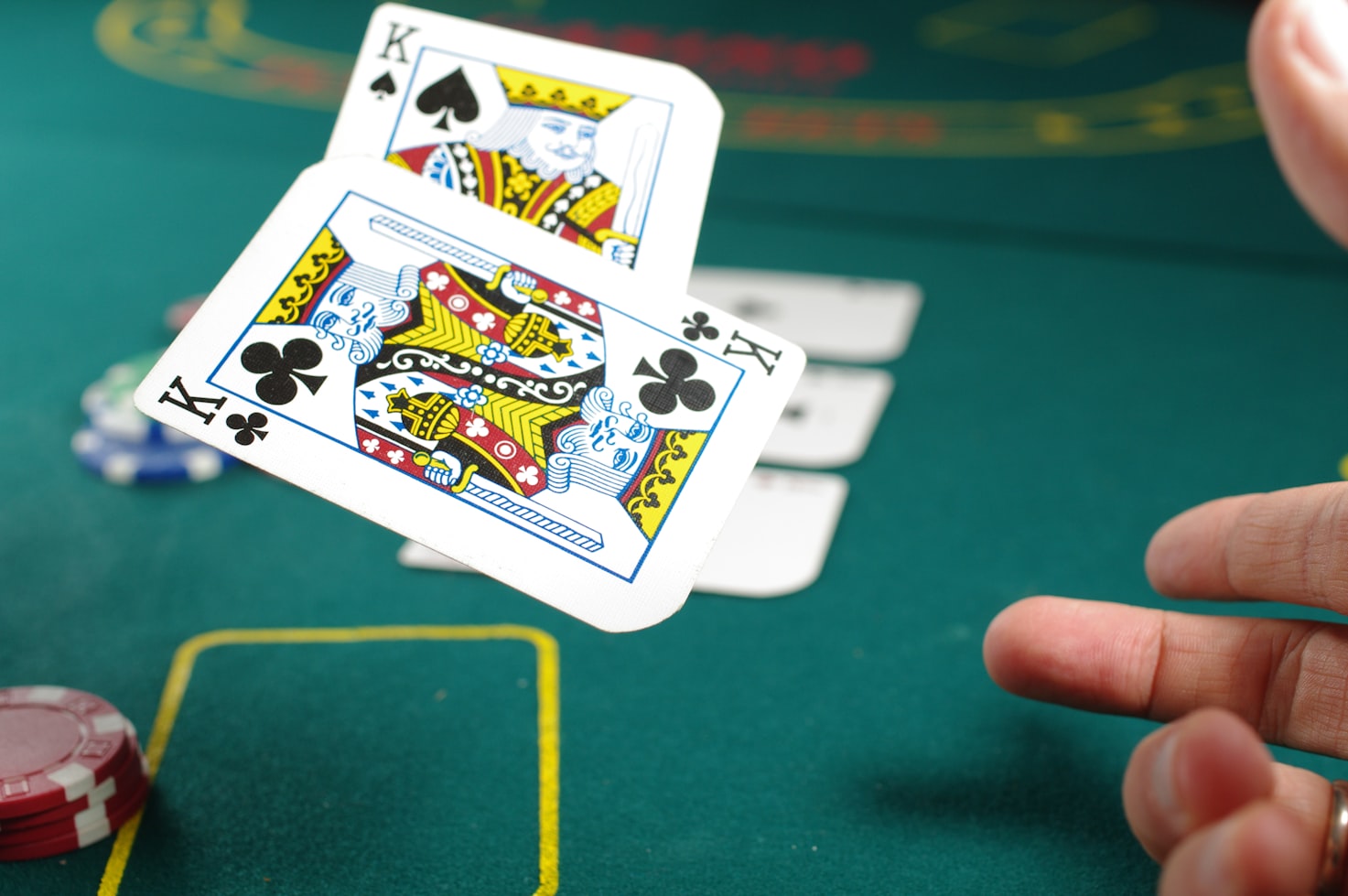
Additionally, the allure of a big win can cloud judgment and lead to impulsive decisions. When faced with the possibility of winning large sums of money, many gamblers develop a sense of optimism, often disregarding the odds against them. This cognitive bias, known as the optimism bias, skews their perception, making them believe that they are more likely to win than they actually are. Understanding this psychological phenomenon is crucial for anyone looking to engage in gambling responsibly.
The excitement generated by the prospect of winning can also lead to what psychologists call the “near-miss effect.” This occurs when a player comes close to winning, which can encourage them to continue playing, fueled by the belief that they are just one step away from a significant payout. This psychological play can keep individuals engaged longer than intended, reinforcing both the habit of gambling and the exhilaration associated with risk-taking.
The role of environment and social influence
The environment in which gambling takes place significantly impacts a player’s psychology. Casinos are designed to create a specific atmosphere: bright lights, vibrant sounds, and a sense of excitement that draws people in. This ambiance stimulates the senses and can lead to impulsive behaviors. The social aspect of gambling is equally compelling; the presence of other players can enhance the experience, making the act of betting feel more communal and exciting.
Peer influence can also play a critical role in gambling behavior. When individuals observe their friends or family engaging in gambling, they may feel a subconscious pressure to participate, either to fit in or to share in the experience. This social reinforcement can lead to higher levels of engagement and often diminishes the perceived risks associated with gambling. For many, the social interaction can be just as enticing as the game itself, creating a blend of social bonding and competitive spirit.
Moreover, the concept of “FOMO,” or the fear of missing out, can encourage individuals to gamble, especially when surrounded by others who are having a good time. The desire to be part of the fun can lead people to make choices that they might not otherwise consider. Understanding these social dynamics is crucial for gamblers looking to navigate their behaviors and decisions in a healthier manner.
Cognitive biases at play
Cognitive biases can significantly influence gambling decisions, leading players to make irrational choices. One common bias is the “gambler’s fallacy,” which is the belief that past outcomes can affect future results. For instance, a player may think that a certain slot machine is “due” for a win because it hasn’t paid out recently. This flawed reasoning can lead to prolonged play and increased losses, as players chase their perceived luck.
Another prevalent bias is the “illusion of control,” where gamblers believe they can influence the outcome of games that are purely chance-based. This mindset is particularly strong in games like poker or sports betting, where strategy and skill come into play. However, even in these situations, the role of luck cannot be overstated. This false sense of control can lead to overconfidence, causing players to risk more than they can afford.
Recognizing these cognitive traps is essential for anyone engaged in gambling. By understanding how biases shape their decisions, players can develop strategies to counteract these effects. For instance, taking breaks or setting limits can help mitigate the urge to chase losses or make impulsive decisions based on flawed reasoning. Being aware of these psychological factors can lead to a more informed and responsible approach to gambling.
Managing emotions and expectations
The emotional landscape of gambling is complex and often tumultuous. Players can experience a wide range of emotions, from excitement to despair, as they navigate wins and losses. This rollercoaster of feelings can lead to unhealthy gambling habits if not managed properly. It’s essential to approach gambling with a clear understanding of one’s emotional triggers and how they may affect decision-making.
Expectations play a significant role in the gambling experience. Many players enter the gaming world with inflated expectations about the potential for winning. This unrealistic outlook can set individuals up for disappointment and can lead them to chase losses in an attempt to meet those expectations. Managing these emotions and setting realistic goals can help mitigate feelings of frustration and allow for a healthier relationship with gambling.
Furthermore, practicing emotional regulation is vital for maintaining control while gambling. Techniques such as mindfulness can help players remain grounded and focused, allowing them to make better decisions rather than acting on impulse. By recognizing and managing emotions, gamblers can cultivate a more balanced experience that enhances enjoyment without leading to destructive behaviors.

Spinsy Casino: A responsible gaming environment
Spinsy Casino offers a robust platform for players looking to engage in online gaming while being mindful of the psychological factors at play. With over 2,600 games available, including popular slots and live dealer options, the casino is designed for both casual gamers and dedicated players. Spinsy Casino recognizes the importance of a safe and enjoyable gambling experience, providing resources and support for responsible gaming.
The casino’s commitment to player welfare is evident in its policies and practices. Spinsy offers a variety of tools to help players manage their gambling habits, including deposit limits and self-exclusion options. This level of support is crucial for helping individuals navigate the complexities of gambling psychology and avoid falling into harmful patterns.
In addition, Spinsy Casino’s mobile-friendly interface and 24/7 customer support ensure that players have access to assistance whenever they need it. By fostering a secure environment, Spinsy Casino empowers its players to enjoy the thrill of gambling while remaining aware of the psychological influences that can impact their experience.